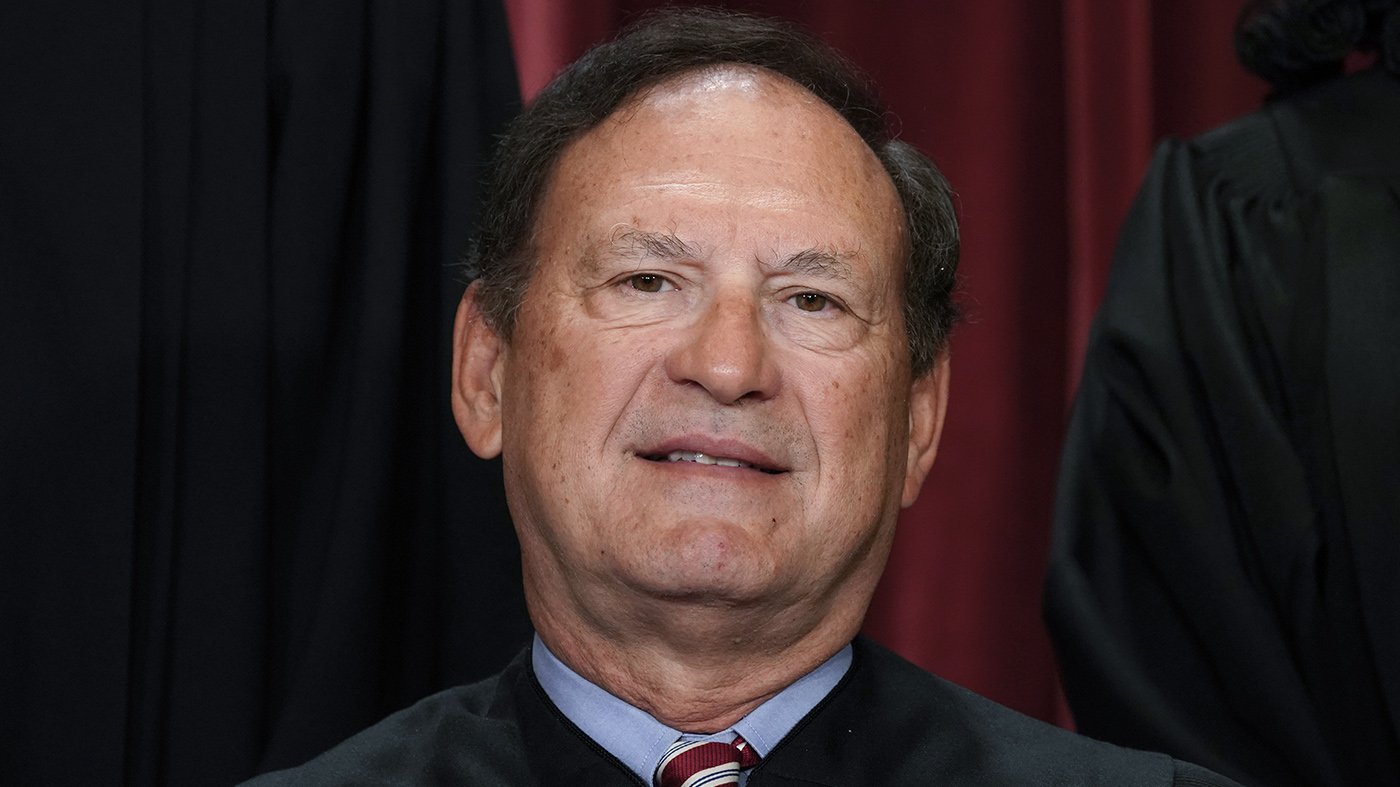
NPR senior legal affairs correspondent Nina Totenberg apologized directly to Supreme Court Justice Samuel Alito on Tuesday after the outlet published and then retracted a report that Alito was retiring. The mea culpa came during an episode of NPR's All Things Considered, where Totenberg read aloud a letter she had written to the conservative justice.
In the letter, Totenberg took full responsibility for the error, which she described as the worst professional mistake in her more than five decades of journalism. “Dear Justice Alito, there are no words to adequately apologize for today’s error in reporting your retirement. It was entirely my fault,” she said on air.
The false alarm began after Alito announced an opinion from the bench. Totenberg said she rushed out of the courtroom and, noticing that the usual crowd of reporters had not dispersed, asked someone what was happening inside. The reply was “retirement announcements”—plural—but Totenberg misheard the ‘s’ and assumed Alito was stepping down. “I didn’t hear the ‘s’ on announcements, and assumed something no reporter should ever do,” she said.
NPR’s editor’s note, also published Tuesday, stated that “neither Alito nor the court’s public information office has announced his retirement, and we have retracted the story.” The incident comes amid heightened scrutiny of the Supreme Court, particularly around issues of transparency and the sharp exchanges between justices in recent high-profile rulings.
Alito, 76, has served on the high court since 2006, when President George W. Bush nominated him. He is a key member of the court’s six-justice conservative majority, alongside Chief Justice John Roberts and Justices Clarence Thomas, Amy Coney Barrett, Brett Kavanaugh, and Neil Gorsuch. Speculation about potential retirements has been a recurring theme in political circles, especially as the court’s ideological balance remains a flashpoint.
The retraction drew attention not only for the error itself but also for the broader context of media coverage of the judiciary. Totenberg’s apology was notably personal and direct, a rarity in a profession where corrections often come via editor’s notes rather than on-air admissions. “I could go on, but I don’t know what else to say, except that I am so, so sorry,” she concluded.
This is not the first time a major news organization has had to walk back a premature retirement story about a Supreme Court justice. The episode underscores the intense pressure to break news in an era when a single misheard word can trigger a cascade of reports. Meanwhile, debates over retirement policy continue to simmer in other areas of public life, but for Alito, at least, the rumors were greatly exaggerated.